The AED3.5bn first phase of Dubai’s new Fourth Corridor will connect key areas across the emirate and significantly reduce travel times.
Dubai has approved a new 80km Fourth Corridor connecting Al Faya Road in Abu Dhabi with Al Shanouf Road in Sharjah through Dubai. The new route will create an important road link between the three emirates. The first phase will cost AED3.5bn and could reduce journey times by up to 60%.
Dubai’s New 80km Fourth Corridor
Dubai will develop the new corridor in two phases. The project will add a major new route to the emirate’s road network.
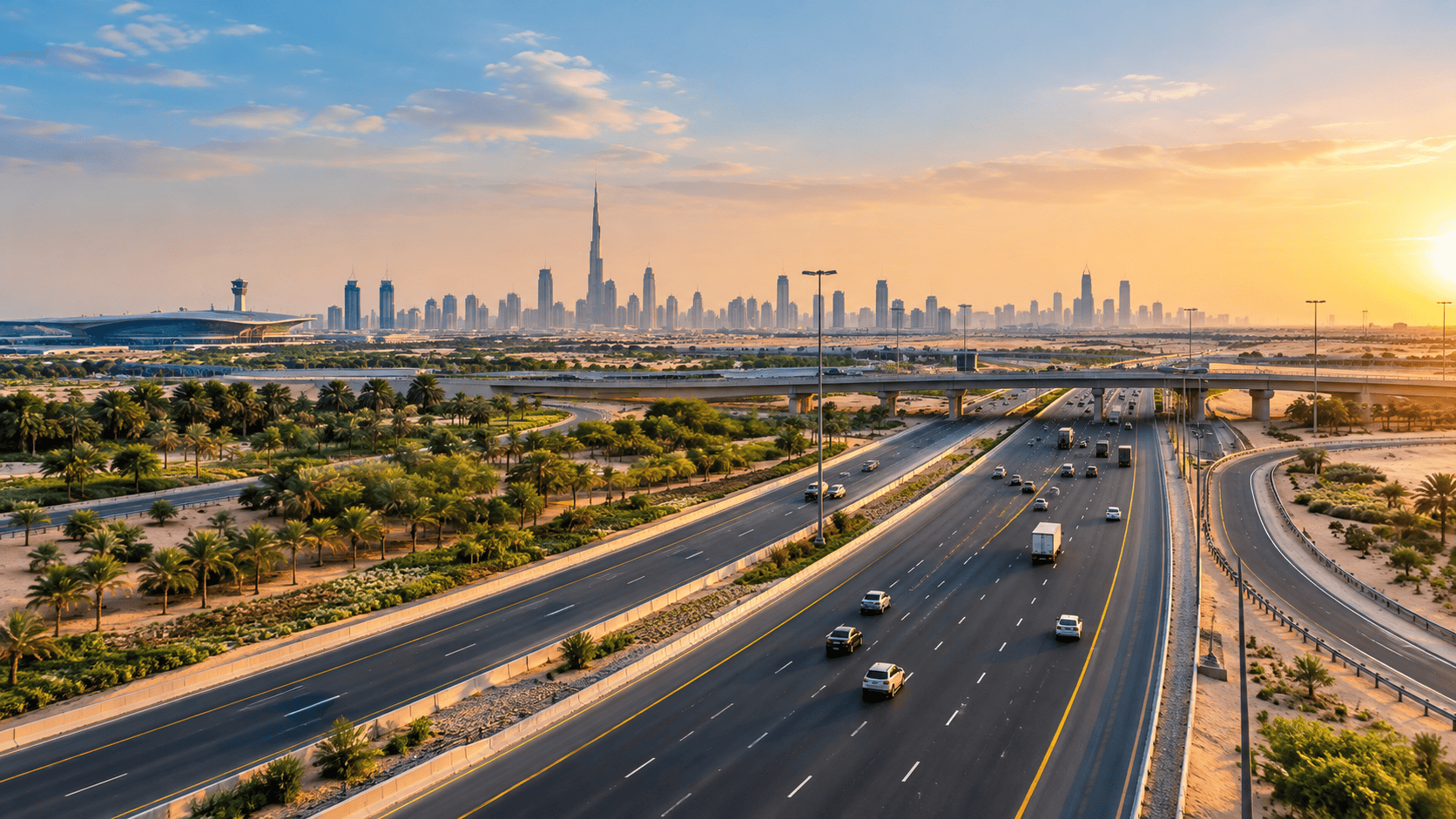
The route will have 12 lanes in both directions. It will handle up to 24,000 vehicles per hour in both directions.
The project will also include 72 bridges, 17 tunnels and 45 stormwater drainage culverts.
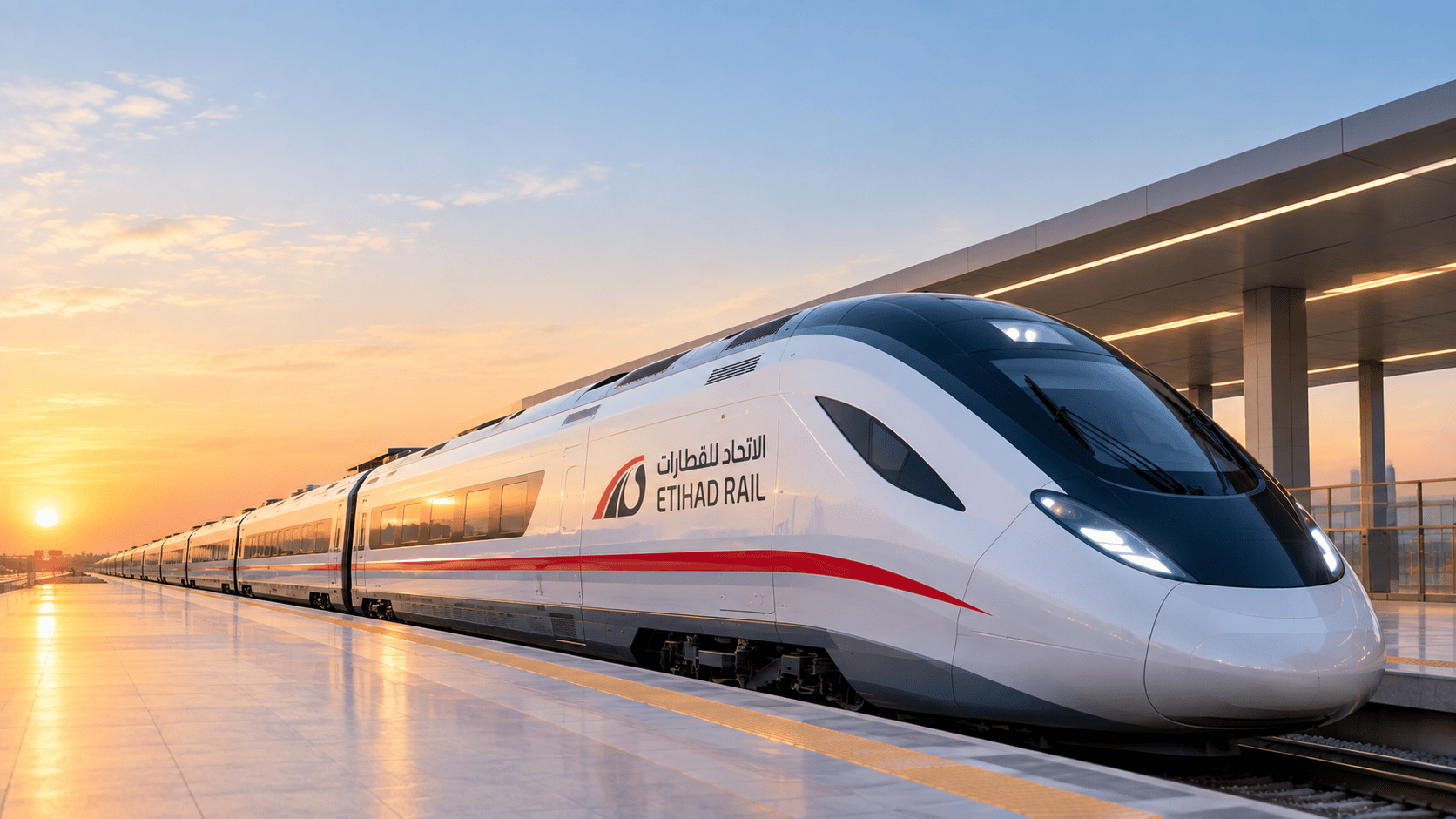
The corridor will connect key residential, commercial and development areas. It will also improve access to major infrastructure projects such as Al Maktoum International Airport and Etihad Rail.
The route will pass through areas including the Al Marmoom Desert Conservation Reserve and Al Wohoosh Desert Conservation Reserve.
First Phase to Cut Journey Times by 60%
The first phase will significantly reduce travel times along the route. The journey between the two points could fall from around 35 minutes to 14 minutes.
This represents a 60% reduction in travel time. The first phase could also serve approximately 600,000 people.
The first phase will include:
- 55 lane-km of surface roads
- 2.5km of tunnels
- 21km of bridges and ramps
- Widening of Dubai-Al Ain Road from three to four lanes in each direction between Emirates Road and Lehbab Road
- Upgrades to four major intersections
The project will improve traffic movement along one of Dubai’s key growth corridors. It will also provide an alternative route for traffic travelling across the emirate.
Second Phase Will Extend the Route to Abu Dhabi
The second phase will extend the corridor by approximately 50km. It will connect Dubai-Al Ain Road with Al Faya Road in Abu Dhabi.
This phase will also have 12 lanes and will handle up to 24,000 vehicles per hour in both directions.
Journey times along this section could fall from approximately 50 minutes to 24 minutes. This represents a 52% reduction.
The second phase could serve around 3.1 million people. It will include approximately:
- 190 lane-km of surface roads
- 3.5km of tunnels
- 157km of bridges and ramps
A New Strategic Route Across Dubai
The Fourth Corridor will become the fourth major strategic road axis supporting movement across Dubai.
It will join three major routes already serving the emirate: Sheikh Zayed Road, Sheikh Mohammed bin Zayed Road and Emirates Road.
The project will also help divert through traffic, including heavy trucks, away from densely populated urban areas.
This could reduce pressure on existing roads and improve traffic flow. It could also support logistics and commercial transport across Dubai.
The new route may also support future residential and urban development in Dubai’s expanding outer areas.
What the New Road Means for Dubai
Dubai continues to see population and development growth. This has increased the need for stronger connections between established communities, emerging districts and neighbouring emirates.
The Fourth Corridor will add another major transport link between Dubai, Abu Dhabi and Sharjah. It will also improve access to key infrastructure and development areas.
The project combines surface roads, tunnels, bridges and upgraded intersections. Together, these elements will increase road capacity and help reduce travel times across several important routes.
For Dubai’s real estate market, better connectivity can also support the growth of new residential and commercial communities around major transport corridors.